The Australian Hotel Market – Ready to Boom
The Australian hotel market’s in for a real shot in the arm as we head into 2025. It’s not just that borders are staying open, although that’s a big help – it’s also down to a general feeling of confidence about the economy and a real pick-up in domestic and international travel. Hotels across the country – from the big cities like Sydney to the Gold Coast and everywhere in between – are all seeing a renewed enthusiasm for getting out and about.
As travel for leisure and business just keeps on growing, the competition in the hospitality industry is really starting to heat up. And that means hotels need to get their marketing act together with some seriously innovative strategies, the latest technology and a big focus on giving guests an experience they’ll never forget.
The next phase in the growth of the Australian hotel market is going to be all about how well hotels use data, creativity and partnerships to connect with their target audience. Whether you run a city hotel, a beachside retreat or a boutique eco-lodge, understanding the key marketing trends in Australian hotels 2025 is going to be crucial if you want to stay ahead of the game and keep on growing.
What Makes a Great Guest Experience?
The guest experience is all about so much more than just providing a comfy room. It’s about creating memories, building emotional connections and doing all the little things that make a guest feel like they’re really getting a warm welcome.
Hotels that get this right are going to use guest data to anticipate their needs and preferences before they even arrive – what they like to eat, what rooms they book most often, which local attractions they’re most likely to visit. And with that information, they can start to fine-tune their service to make each guest feel like they’re really being looked after.
User-generated content (UGC) is still one of the most powerful marketing tools out there, especially in the hospitality industry. Nothing beats the word of mouth from a real guest when it comes to getting potential guests to come and take a look. Photos, short videos, and reviews from real people all help to create a sense of authenticity and make potential guests feel like they’re getting the real deal.
Australian hotels are also getting smart about local experiences. By teaming up with local businesses and nearby attractions, they can offer guests all sorts of unique experiences that really let them get to the heart of what the local area has to offer. From art walks to wine tastings or surf lessons, these experiences all provide great material for social media campaigns, and can really help to attract new travellers who are looking for something different.

Partnering with Local Businesses
Partnering with the local community is a win-win for hotels and local businesses alike. It’s a great way to create some really distinctive experiences and promote community collaboration. By teaming up with local artisans, chefs and tour operators, hotels can design packages that really showcase the best of what the local area has to offer.
When you host virtual events, food tastings or workshops with local artisans you’re going to attract guests who are looking for more than just a place to stay – they want a story to tell. And these partnerships are also a great way to create some engaging videos and short videos for social media platforms, which can be a lot more effective than paid promotions.
Collaborating with tour operators and event planners is especially good for leisure travellers and corporate groups. Together, they can offer themed stays, destination weddings or dining experiences that really celebrate the unique character of different regions of Australia.
By working with local businesses, hotels are going to build stronger relationships with their guests, increase their visibility and share the cost of marketing. It’s a win-win that strengthens the brand while supporting the region’s economic growth.
Emerging Trends in Hotel Design and Tech
Emerging design trends in Australian hotels are all about sustainability and guest comfort. More and more hotels are adopting eco-friendly practices, from using local materials to installing energy-efficient lighting and water-saving systems. These measures are not only good for the planet, but they also help to keep costs down and appeal to eco-conscious travellers.
Technology is playing an ever-bigger role in hotels too. Virtual tours let guests explore rooms and facilities before they book, which can really reduce anxiety and make it easier for them to book. For international visitors, this sense of transparency is especially important – it can make all the difference in helping to build trust.
Interactive websites with responsive design make it easy for guests to book rooms directly on their mobile devices. This kind of convenience is a major plus for guests, and it also helps hotels to reduce their reliance on third-party booking sites.
At the same time, data analytics and automation tools are helping hotels to fine-tune their marketing efforts, track campaign performance and improve operational efficiency. These insights are a huge advantage for hotel marketers – they give them a much clearer sense of what works and what doesn’t, which makes it a lot easier to make adjustments on the fly.
For wellness-focused travellers, hotels are also starting to integrate more wellness elements – quiet zones, yoga decks or mindfulness spaces – to create a restorative atmosphere. And in 2025, we can expect to see more properties putting wellbeing at the heart of their offering, especially in wellness retreats and resorts that specialise in mental health balance.
Marketing Strategies for Australian Hotels in 2025
Getting your marketing right is going to be more important than ever in 2025. The Australian hotel sector is using all sorts of different marketing strategies to attract bookings, reach new guests and build stronger relationships with their existing guests.
Using Social Media Campaigns to Connect Social media is still a go-to platform for hotels to get their personalities, design, and experiences seen by a wider audience. Social media campaigns that use real, genuine moments and visuals – like guests enjoying the sunsets, or behind-the-scenes peeks – seem to really draw people in and earn their trust.
Facebook and Instagram are still the big hitters when it comes to keeping people engaged, while TikTok‘s quick and snappy storytelling is helping hotels reach a younger crowd. If you want to really succeed with your campaigns, you need to be using engaging videos, captions that people can relate to, and user-generated content that taps into people’s emotions.
Using Data to Create Smarter Ads
Hotels are starting to really use first-party data to get a better handle on what their customers are looking for – and target their ads accordingly. That means looking at guest profiles, past stays, and click behaviour to get a better idea of what people want.
With that data in hand, hotels are able to segment their travellers into groups – families, business guests, couples and so on – and send them offers that are tailored to their needs. This approach helps reach more travellers, more efficiently, while also improving guest satisfaction.
Google Ads is still a key part of the mix for Australian hotels that are trying to attract guests who are actively searching for a place to stay. When you combine that with some clever data-driven targeting, your ads become a lot more relevant – and a lot more cost-effective.
Partnering with Influencers
Influencers are still a key part of the Australian hotel marketing scene. When you partner with people who reflect your brand values, you end up showcasing your unique experiences in a way that feels authentic.
For example, if you invite travel influencers to come and capture some of the local attractions and dining options nearby, that can boost your organic reach and give you some reusable content for future campaigns.
Optimising for Voice Search
More and more people are using smart speakers and phones to plan their trips – so voice search optimisation has become a real priority. People are often asking things like “Hey Google, what are the best eco-friendly hotels near Sydney?” or “Where’s the best place to get a room with an ocean view in Byron Bay”.
To appear in those search results, you need to make sure you’re using natural language and long-tail keywords that sound like how people actually talk. Adding conversational phrasing to your web copy and FAQs can help voice assistants match your content more accurately.
Voice search optimisation also just happens to improve your visibility in traditional SEO. When you add schema markup and structured data to your site, it makes it easier for search engines to understand what you’re talking about. And when you combine that with good UX and responsive design, you end up with a site that’s a lot more likely to stay ahead of the competition.
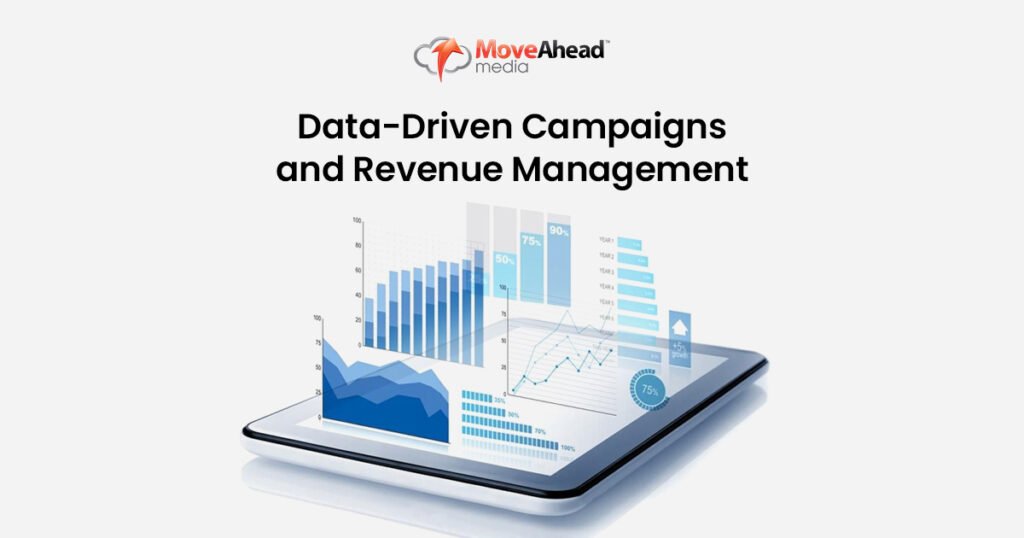
Data-Driven Campaigns and Revenue Management
At the end of the day, data is what drives every modern marketing strategy. Data-driven campaigns allow hotels to see what’s working and what isn’t, monitor peak booking periods, and adjust their bids on the fly.
Revenue management software can help predict demand trends, so you can price your rooms more intelligently. When peak booking periods roll around, you can ramp up your ad spend to capitalise on the demand – and in the slower months, you can run targeted offers to fill your inventory.
Real-time dashboards make it easy to see which ads are converting, and which platforms are underperforming. That gives you the insights you need to fine-tune your strategy and stay profitable even when seasons are volatile.
The goal is to create a marketing strategy that’s dynamic and responsive, so you can reach the right audience at the right time – and stay efficient and cost-conscious.
Driving Direct Bookings
Reducing your dependency on online travel agencies is a key goal for hotels in 2025. Direct bookings through your own website give you better margins and more control over guest data.
To make that happen, you need to simplify your booking process. Make sure your website has a clean interface, transparent pricing, and loads quickly on mobile devices. That makes it easy for guests to book a room – and gives you a better chance of getting them to book direct.
Offering incentives – like exclusive discounts, early check-in, or complimentary breakfast – can really encourage people to book direct. And when you combine that with some targeted email marketing reminders, you can build a more loyal customer base.
Using CRM systems to track guest behaviour also helps you identify people who are interested in booking a room – but dropped off at some point in the process. When you retarget those people through email or social media, you can recover a lot of those missed sales.
Personalisation and the Human Touch
Technology may drive growth, but it’s the human touch that drives loyalty. As hotels get more digital, it’s more important than ever to create a welcoming, personal experience for your guests.
Using guest profiles and first-party data, you can send personalised offers that mention past stays or favourite amenities. For example, an email might say “We noticed you enjoyed our spa last summer – here’s 20% off your next visit”.
That kind of message creates a sense of familiarity and comfort, and helps build stronger guest relationships.
Personalisation also extends to the on-site experience. Remembering a guest’s birthday, preferred pillow type, or dietary needs makes them feel truly valued.
When you highlight your staff and community connections in your content – through videos or engaging stories – you add a level of authenticity and warmth that algorithms just can’t replicate.

Top Trends to Watch in 2025
2025 is shaping up to be a pretty interesting year for the Australian hotel industry. Here are the top trends to keep an eye on:
- Sustainability and eco-friendly practices: More and more hotels are focusing on renewable energy, local sourcing, and waste reduction.
- Technology and automation: Tools like those that fine-tune pricing, track occupancy, and monitor marketing success in real time.* Wellness and mental health travel: more and more guests are after a break that really helps them unwind and experience something truly special when it comes to wellbeing.
- **Video storytelling: short-form videos and live streams are just knocking all other types of content out of the water on the major platforms.
- Influencer partnerships: the kind of authentic collaborations with people who can tell you about the real hidden gems and local traditions of a place.
- Community partnerships: that’s where you get closer to the local businesses, check out the nearby attractions, and work with the local tourism folk to really make a mark in the community.
- Voice search optimisation: travellers are increasingly using their AI assistants to research and book places to stay – all these key trends add up to one thing: Australian hotels need to get a balance right – using data to inform what they do, but also using their imagination to keep their guests engaged.
Staying Ahead of the Game
The future of hospitality looks like it’ll be a real challenge for the ones that don’t adapt quickly enough. Australian hotels that are onto it will be those that get on board with data, actually listen to what their guests are saying, and keep their marketing strategies fresh.
Testing, analysing and tweaking is what you need to do all the time – whether it’s trying to improve conversion rates or messing about with your social media content – consistent improvement is what it’s all about.
And staying ahead isn’t just about keeping up with the tech – it’s also about staying in touch with what makes guests tick. The hotels that do best will be the ones who use digital tools to get closer to their guests, not push them further away. They’ll combine data with a bit of empathy – and actually understand what makes a traveller tick.
In the next 12 months, what counts in marketing isn’t just about reaching more people – it’s about actually connecting with the ones you’re trying to reach.
Conclusion
In 2025, the Australian hotel scene is going to be all about steady growth, new opportunities and a few fresh challenges. The hotels that make it are the ones that manage to balance creativity, technology and good old-fashioned human connection.
By focusing on what matters to guests, looking after the environment, and making sure they’re using voice search properly, hotels can snare the right kind of customer and build up some valuable brand trust. Good partnerships, proper social media campaigns, and making the most of the data you have will all be key to success.
At the end of it all, hotels in Australia 2025 all point to one theme – put the guest right at the centre of everything you do. Use data wisely, tell some stories from the heart, and build relationships that go way beyond check-out time. That’s how you stay ahead and keep growing in the years to come.

FAQs
What’s the fastest way to spot wasted spend?
The fastest way to spot wasted spend is to focus on two key areas: your objectives and your audience.
First, ensure you have clear, measurable objectives. Without a benchmark for success, you can’t identify underperformance.
Second, regularly audit your audience to confirm you’re targeting the right people. Even the best ads can fail if they’re shown to the wrong audience.
What’s the best way to A/B-test creative while still keeping clean data?
The best way to keep data clean is to follow the one-variable rule. Only change a single element between your “A” and “B” versions.
This could be the headline, the image, or the call-to-action, but never all three at the same time. The goal is for you to attribute any performance difference directly to that specific change.
Many marketers make the mistake of stopping their A/B tests too early. By letting your test run long enough, you’ll be able to gather more reliable results with your ad analysis tool.
What metrics actually tell me if my campaign is working?
The ‘best’ metrics depend entirely on your campaign’s primary objective. The key is to align your metrics with your goal in the marketing funnel:
- For Awareness Campaigns, focus on Reach and Impressions to measure how many unique users are seeing your ad.
- For Engagement Campaigns, track Click-Through Rate (CTR) and Cost Per Click (CPC) to measure how effectively you’re driving interest.
- For Conversion Campaigns, focus on metrics that measure direct business results, such as Cost Per Acquisition (CPA) and Return on Ad Spend (ROAS).
Overall, prioritising metrics like ROAS over simple clicks is how you can gain a better understanding of your campaign’s success. It’s what allows you to move from generic to data-driven advertising campaigns.