We are operating in a hyper-digital era. How many times have you caught yourself in a social media loop? Think of the times you’ve scrolled through brands, engaged with their stories, and made buying decisions. It’s safe to say their online presence was the deciding factor. A natural reflex you might not even realise you have.
As for the brands without a compelling social presence? We don’t give them the time of day. They become an afterthought, eventually fading into the background of a crowded feed.
That’s why a social media strategy for entrepreneurs is so crucial to their success. It’s easily the most impactful way to build trust and connect with your audience.
Why Social Media Matters for Entrepreneurs
But why does it matter? That’s a great question every entrepreneur should be asking themselves. Social media is a fascinating phenomenon – just one viral video and you can reach corners of the world you didn’t know were possible.
Let’s put that into perspective. When you target young athletes by posting a video on lifting form, you become more than just a company. You become a trusted resource. That is your way in. From there, you start answering questions and engaging with people to build a community. Once they trust you, they are much more willing to buy from you. That is lead generation in its simplest form.
At the end of the day, social media marketing is about building a genuine connection between you and your audience.
The Foundation of a High-Impact Social Media Strategy
Before you start building your online presence, it’s essential to understand the key foundation. Social media is conversational and intimate by nature. However, there is a fine line between being personal and being disorganised. As a business, you cannot simply concoct posts as you go. A lasting presence is not improvised. It requires thoughtful planning and structure.
Here are four critical components you need to consider:
Set Clear Goals
What does success look like for your business? Knowing how to measure success ensures your marketing efforts are actually paying off.
For instance, when your goal is brand awareness, your focus should be on reach and engagement rather than sales. By defining your goals, you will realise that a low conversion rate isn’t necessarily a failure. It just means you’re at a fundamental stage where trust and storytelling take precedence. However, as you move toward the sales stage, your focus will shift toward creating Facebook content that drives ROI, ensuring every post contributes to your success.
Know Your Audience
A generalised social media strategy is the surest way to be overlooked by your audience.
If your message creates no sparks, you’re left with an audience that is lukewarm rather than passionate. And lukewarm audiences don’t buy.
This means digging deeper than just basic demographics. Once you understand your audience’s interests and behaviours, you can replace empty messaging with authentic dialogue that ignites connection.
Ultimately, the goal is to draw attention. You want to be the one voice that resonates enough to make a potential customer pause and listen to what you have to say.
Choose the Right Platforms
Where does your audience spend most of their time? Every social media platform attracts a different crowd.
For example, a company selling high-end consulting services to CEOs will likely find its audience on LinkedIn. However, a business owner selling trendy running gear to young athletes is likely targeting Gen Z and Millennials who spend their time scrolling through Instagram and TikTok. They’re the generation that tracks their run on Strava and is consistently training for marathons.
Choosing the right platform is how you effectively reach your target audience.
Develop a Content Plan
The power of social media is staggering. It’s no secret that you can go from unknown to globally recognised in just a couple of posts. But businesses don’t just get there by posting sporadically whenever they feel inspired. They brainstorm and plan with intention.
This is the advantage of a social media plan. It allows you to see the big picture and create a compelling narrative around it. By mapping out your content, you ensure every post aligns with your brand image.
The bottom line is, customers trust consistency. When a brand feels familiar, it feels reliable. A strategic plan is an opportunity to show your audience who you are and that you are dependable.
Time-Saving Tips for Busy Entrepreneurs
We know that the life of an entrepreneur is incredibly fast-paced. When you’re not scurrying to meetings, you’re laser-focused on planning your company’s future.
Here’s how you can develop an online brand presence without spending hours on end:
- Use Scheduling Tools
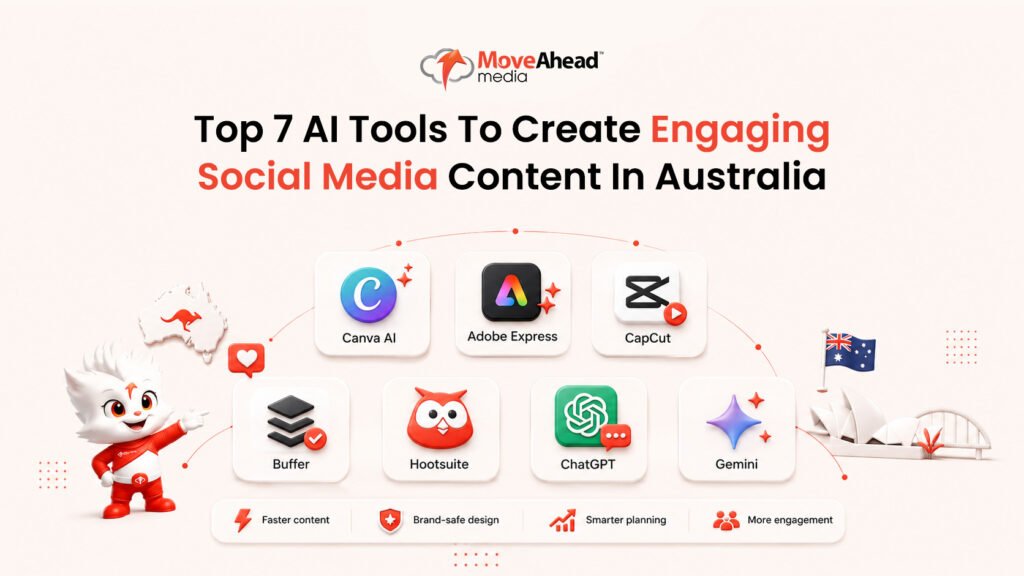
The good news is that you aren’t expected to post on multiple platforms manually. (Closing deals or hitting ‘post’ on Instagram? Yeah… no contest. We get why that would be the last thing on your list.) However, tools like Sprout Social, Planable, and Hootsuite allow you to organise, plan, and schedule your Facebook marketing and ad campaigns in batches, saving you time and effort. - Repurposing Content
Digital marketing requires creativity to stand out, but that doesn’t mean you need to churn out brand-new ideas every day. There is plenty of space for repurposed content. Experiment with different formats. Turn a long-form blog post into a series of short videos. Put a fresh spin on an older post that performed well. Often, what you have can easily be adapted for future posts. - Automating Reports
Extracting data is a crucial part of any digital marketing strategy. If you’re posting streams of content across Facebook, Instagram, and LinkedIn, you need to review their performance without wasting hours on spreadsheets. Automating your reports consolidates these numbers and sends them right to your inbox – free of manual errors.
Measuring Impact Without Overcomplicating It
The world of social media can be bewildering. Likes are surging in, comment sections are flooding with opinions, and videos are drifting by on the scroll. No wonder many businesses struggle to build a consistent online brand presence.
Let’s change that.
The next step is understanding how to measure performance and identifying which metrics are the best indicators of success. To keep things simple, we recommend focusing on three core areas:
Key Performance Metrics to Consider
- Reach: This is the number of unique users who saw your content. It tells you the size of the crowd you’ve reached, regardless of how many times they viewed your post.
- Engagement Rate: This measures how many people actually interacted with your content. It goes beyond those who just skimmed over it, tracking the people who liked, commented, or shared your video with a friend.
- Conversions: This tracks how many users took a specific action, such as clicking on a link in your bio, visiting your website, or signing up for your weekly newsletter.
Effective Tools You Can Use
To keep things simple, we recommend using tools designed specifically to turn that data into clear insights.
- Meta Insights: This tool provides a centralised view of your reach and engagement. It shows you exactly when your audience is most active and which posts are driving results.
- Google Analytics: While social platforms tell you what happens on the app, Google Analytics tells you what happens after the click. Did a user visit a link in your bio? Did they make a purchase? Where did the interaction stop? Google Analytics is your greatest spy.
- Social Scheduling Dashboards: Tools like Buffer, Metricool, or SocialBee allow you to manage the disarray. Instead of jumping between apps, you can plan your content on a single calendar and see side-by-side performance metrics across all platforms in one dashboard.
If this is sounding a bit too straightforward, that’s because it can be. Building a social media strategy for entrepreneurs isn’t a huge, complex process that requires an all-or-nothing mindset. You can still make an impact just by understanding the basics.
Common Social Media Mistakes to Avoid
Have you ever landed on a brand page that has over 100 posts, but their latest one was from three months ago? Think about what your initial thoughts were. Unreliable. Inactive. Not the most trustworthy. Those words flicker across your mind right away – at least for us.
To keep your brand from drifting off course, avoid these three common pitfalls:
- Posting inconsistently
It is better to post twice a week, every week, than to post daily for five days and pull a disappearing act. Use a social scheduling dashboard to map out a month of content in advance so your presence remains a steady current rather than a random splash. - Focusing Too Much on Followers
Follower count looks great on the surface. Seeing 20,000 followers can build immediate trust when new customers find your profile. However, imagine if none of them are liking, commenting, or buying. That number becomes a mere showpiece that isn’t contributing to your success. Prioritise engagement and shares. Aim to build a community, not just nonchalant followers. - Ignoring the Analytics
Not delving into the data is one of the biggest mistakes you can make. Without it, it’s almost impossible to know which content is working and where to delegate your time. Spend 20 minutes a week checking which posts caused a surge and which ones drifted by unnoticed. Use that data to refine your strategy. This ensures you’re only creating what truly resonates with your audience. For example, if the data shows people are visiting your site but not purchasing, you can use Facebook remarketing to gently reappear in their feed, turning interest into a sale.
When to Partner with a Social Media Marketing Agency
The basics can only get you so far. Once the results come gushing in, you might find that managing your social media strategy requires an expert who knows how to structure and execute high-performing campaigns.
Scaling your brand effectively means partnering with a team that keeps your creativity and ROI at the helm of your strategy. Whether you need help with Facebook Lead Gen Campaigns or CPAS that drive sales, a social media marketing agency offers expert guidance and experience.
Ready to build a powerful social media presence? Contact Move Ahead Media today!