
For hotels trying to stand out in a super competitive hospitality business, digital visibility is the key to success – or at the very least, survival. The essential digital marketing toolkit for hotels is what you need to get your property noticed by potential customers, build trust with them, and turn that interest into actual bookings right from your website.
From getting found on Google and staying top of mind with email marketing, to handling guest relationships and keeping up appearances online, every single part of a modern hotel digital marketing strategy plays a role in luring in more guests, driving repeat business, and making operations run smoother.
Understanding Why a Strong Online Presence is So Important
A hotel’s marketing plan starts with visibility. Travellers these days are researching, planning, and booking on all sorts of digital channels – from Google to Facebook. If you don’t have a solid hotel online presence, your brand just won’t show up when your future guests are already hunting for places to stay.
Digital marketing tools help hotels get more visible, tweak their marketing efforts, and deliver experiences that make guests feel confident. Whether it’s through Facebook ads, blogging, or local search engine optimisation, keeping in touch with guests consistently builds trust and raises guest satisfaction levels.
A fully active and optimised online presence gives your hotel the power to:
- Get listed at the top of Google Search and Google Maps results.
- Show off your best photos and videos, as well as guest reviews to help build trust.
- Get more engagement through targeted social media ads and interactive campaigns.
- Drive more bookings directly from your website, cutting out the middleman.

Building a Solid Foundation
Designing and Building Your Hotel Website
Your hotel website is more than just a display of your latest special offers – it’s your single most important marketing tool. It tells your hotel’s story, helps guests book rooms or packages easily, and shows you’re a friendly and welcoming place to stay from the very first click.
A great website should:
- Show amazing photos of your hotel and its facilities.
- Be easy to get around on mobile phones.
- Give guests a great user experience with clear navigation and a super simple booking system.
- Integrate a secure booking engine that lets guests pay safely online.
- Be fully optimised for Google using the right keywords, including tools like Google Keyword Planner for research.
With an optimised hotel website that loads fast and tells a great story, you’ll attract more guests and get more bookings.
Making the Most of Hotel Marketing Tools
Using Customer Relationship Management (CRM)
Customer Relationship Management is one of the most powerful parts of any hotel digital marketing toolkit. It turns guest data into actionable insights, helping you work out what they like, want and need, and deliver experiences that are tailored to them.
With a good CRM system, hotels can:
- Group repeat guests by what they like, when they come back and what they want.
- Send them regular emails with exclusive offers and discounts based on their travel habits.
- See what guests are saying about your hotel and how well you’re doing online.
- Use that data with Google Ads, Facebook Ads and other online advertising to get more bookings.
CRM platforms like HubSpot or Revinate make hotel operations easier, streamline your marketing efforts and help you build stronger guest relationships through targeted messaging. The result? More loyalty, more direct bookings and higher satisfaction.
Keeping on Top of Online Reputation
Keeping an Eye on and Responding to Online Reviews
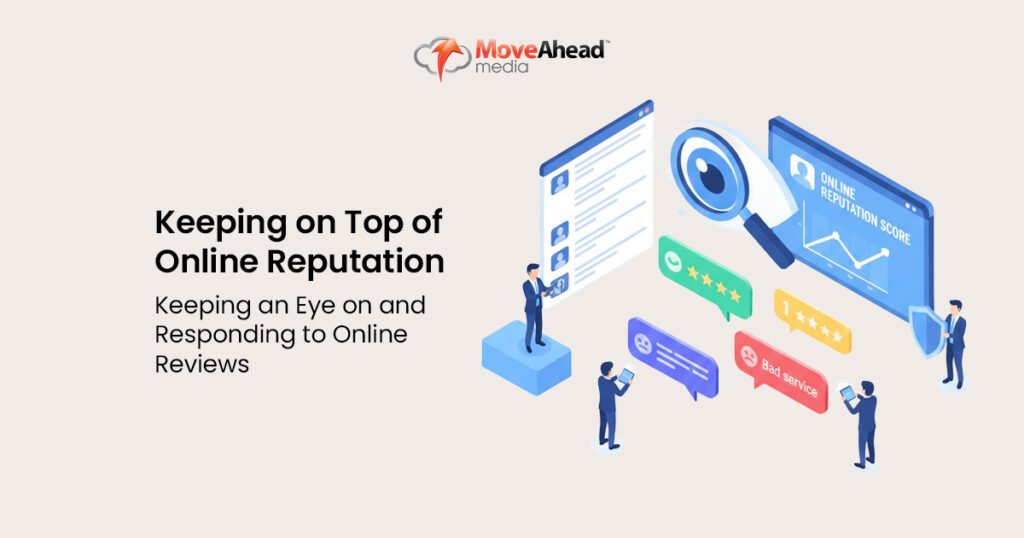
In the digital age, your hotel’s reputation is your most valuable asset – and a big factor in how many bookings you get. Online reviews are a huge influence on guests’ decisions, and hotels need to keep on top of feedback across lots of channels. With great online reputation management tools, you can keep on top of reviews from Facebook, Google, and other platforms to make sure your team can respond quickly.
Engaging with your guests through your online presence also helps with your SEO. If you’re responding to your guests and other visitors on your social media, your business is seen as helpful and professional – which makes it more likely you’ll get a good spot on Google Search.
The best way to handle online reviews is:
- Showing your appreciation for happy guests on Facebook and other social media to get more user-generated content.
- Responding to concerns or criticisms calmly and politely to show you’re accountable.
- Asking your happy guests to leave feedback or reviews through follow-up emails.
By doing it right, you can turn feedback into free marketing. And when you’re showing off great reviews and guest stories on your social media posts, you’re showing potential guests they can trust you.
Measuring and Optimising Performance
Using Google Analytics to Track Progress
Data is what helps you work out what’s working and what isn’t in your digital marketing. Google Analytics gives you a wealth of insights into how guests are finding and interacting with your website – which helps you make better marketing decisions.
There are a few key things to keep an eye on, including:
- How many visitors are coming to your website, and where they’re coming from – whether it’s organic, paid or social media traffic.
- How many of those visitors are booking with you, and what the conversion rates are for different types of booking (like room bookings or package bookings).
- Which pages or content are performing best on your website, including landing pages and special offers.
- What guest behaviour is like on your website – things like bounce rates and how long guests are staying on your site for.Integrating Google Analytics with your CRM & booking engine – this gives you a complete picture of how guests interact with your hotel and lets you measure the success of your marketing campaigns. Paired with other analytics tools like Google Tag Manager & Search Console, hotels can fine-tune their approach to get significantly better results.
Building a Winning Marketing Strategy
Creating Social Media Campaigns that Really Work
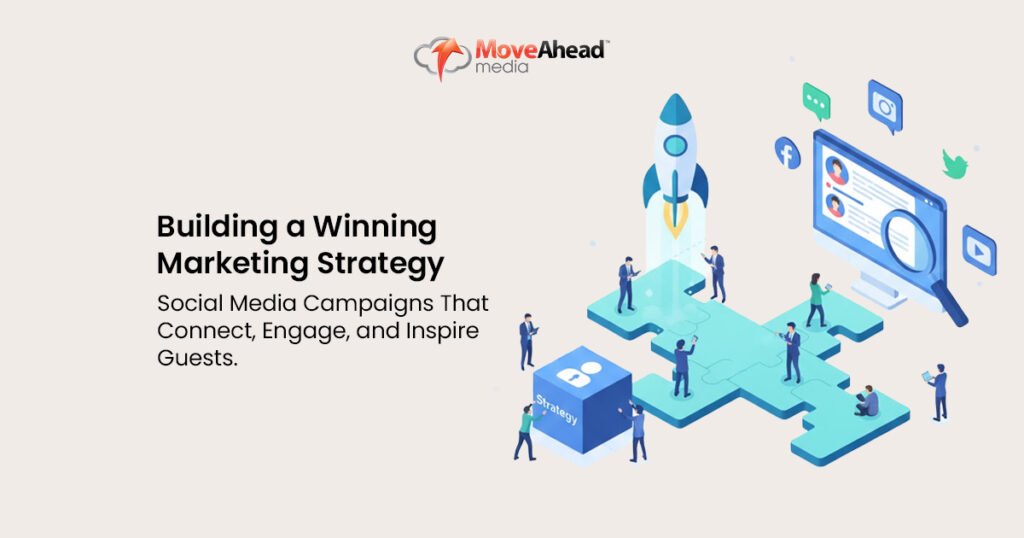
Social media has become the heartbeat of hotel digital marketing. By using social media, hotels can connect with travellers on an emotional level through engaging visuals, storytelling, and interactive content.
Hotels can get the most out of social media platforms like Facebook, Instagram, LinkedIn & TikTok by showcasing experiences that really speak to potential guests. Share behind the scenes videos, property updates or nearby attractions to keep your guests coming back for more.
To get the best bang for your buck, use targeted social media ads that focus on demographics, travel interests & geolocation. Then, combine these campaigns with content creation tools like Canva or Later to keep your brand looking consistent.
Successful social media marketing campaigns achieve three key things:
- Build brand awareness through consistent storytelling.
- Get more direct bookings by linking ads to special offers.
- Get your community engaged through polls, stories & contests.
Every share, comment or saved post is a chance to reach new guests naturally.
Getting the Most out of Your Marketing Efforts
Driving Direct Bookings
The most profitable bookings are the ones that come directly to you – that way, you avoid the commissions and strengthen relationships with guests. By reducing your reliance on third-party platforms, hotels can boost their bottom line.
Strategies to get more direct bookings include:
- Getting search engine optimisation right to target guests looking for places to stay in your area.
- Running Google Ads campaigns to reach high-intent travellers.
- Highlighting special offers that are only available through your website.
- Improving your booking engine with mobile-friendly payment options.
- Running email campaigns for repeat or luxury hotel guests.
Every element – from design to copy – should be designed to get visitors to book.
Tools like Hotjar and Crazy Egg can also help you figure out how your website is performing and where potential guests are dropping off during the booking process.
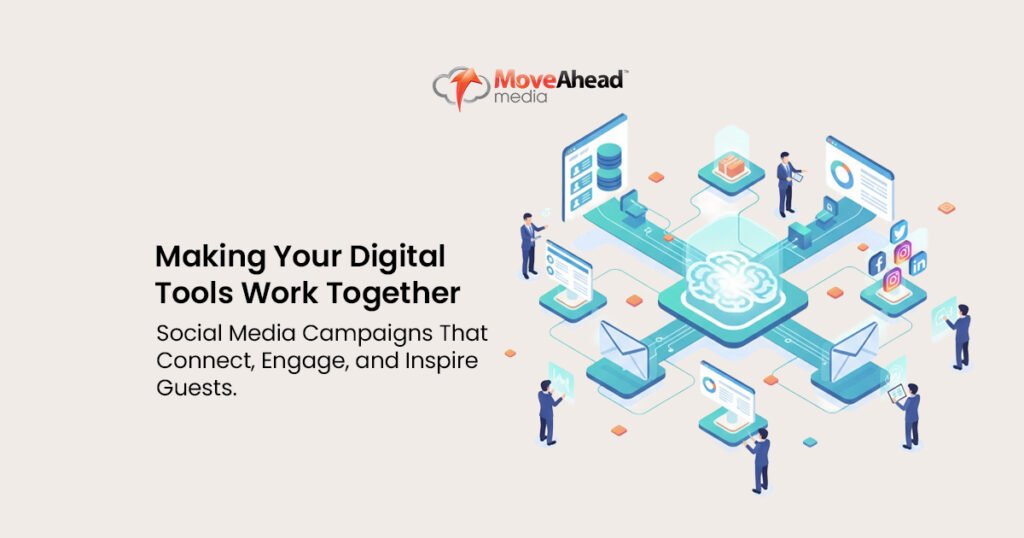
Making Your Digital Tools Work Together
The real strength of a digital marketing strategy lies in how well your digital tools are connected. When your CRM, Google Analytics, email marketing platforms, social media management tools and other systems are all talking to each other, you get a complete picture of your marketing channels.
- A CRM connects guest history with personalised marketing.
- Analytics tools tell you which channels are delivering more direct bookings.
- Content creation tools help streamline design and messaging.
- Automation platforms save time while keeping things looking consistent.
When all your systems are connected, your hotel gets a clear view of its guests – from the moment they first search to the moment they check out.
Building Guest Relationships
A truly successful digital marketing strategy doesn’t just attract new guests – it keeps them coming back for more. Build relationships through:
- Regular newsletters that share local events or exclusive packages.
- Social media posts celebrating loyal or repeat guests.
- Personalised messages on anniversaries or birthdays using CRM data.
By making it personal, you transform your marketing efforts into meaningful connections that drive repeat bookings and build brand loyalty.
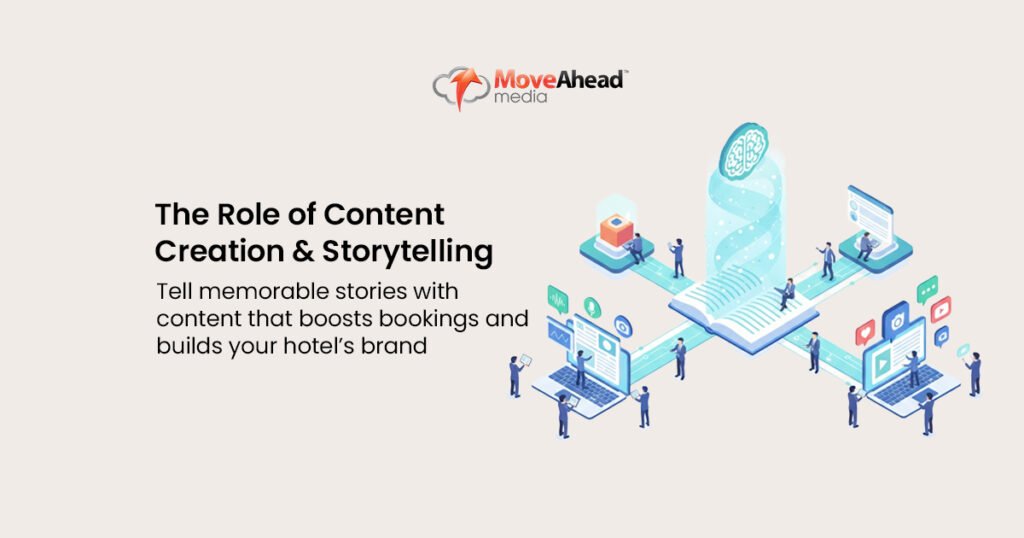
The Role of Content Creation & Storytelling
Hotels that stand out online tell stories that guests remember. From cinematic video tours to inspirational travel blogs, content marketing is key to building a strong brand position.
Use content creation tools to produce high-quality blogs, visuals & videos that showcase your unique location, design & hospitality. Incorporate local SEO by highlighting nearby attractions and experiences.
Engaging content not only helps your website rank better on search engines but also builds authority and authenticity – making your property the clear choice when travellers are planning their next trip.
The Bottom Line
The essential digital marketing toolkit for hotels is not just about the tech – it’s about understanding your guests, delivering relevance and creating emotional connections at every touchpoint.
By combining search engine optimisation, social media marketing, email campaigns, CRM integration and analytics tools, hotels can increase direct bookings, attract new audiences and build loyalty among repeat guests.
From crafting a story through high-quality photos to refining campaigns using Google Analytics, every digital decision contributes to a cohesive brand presence that inspires confidence and drives growth.
In the end, it’s not just about being visible – it’s about being unforgettable. The hotels that innovate, adapt to new marketing channels and leverage their digital marketing tools effectively will continue to lead the way in creating exceptional guest experiences and long-term success.

FAQs
What’s the fastest way to spot wasted spend?
The fastest way to spot wasted spend is to focus on two key areas: your objectives and your audience.
First, ensure you have clear, measurable objectives. Without a benchmark for success, you can’t identify underperformance.
Second, regularly audit your audience to confirm you’re targeting the right people. Even the best ads can fail if they’re shown to the wrong audience.
What’s the best way to A/B-test creative while still keeping clean data?
The best way to keep data clean is to follow the one-variable rule. Only change a single element between your “A” and “B” versions.
This could be the headline, the image, or the call-to-action, but never all three at the same time. The goal is for you to attribute any performance difference directly to that specific change.
Many marketers make the mistake of stopping their A/B tests too early. By letting your test run long enough, you’ll be able to gather more reliable results with your ad analysis tool.
What metrics actually tell me if my campaign is working?
The ‘best’ metrics depend entirely on your campaign’s primary objective. The key is to align your metrics with your goal in the marketing funnel:
- For Awareness Campaigns, focus on Reach and Impressions to measure how many unique users are seeing your ad.
- For Engagement Campaigns, track Click-Through Rate (CTR) and Cost Per Click (CPC) to measure how effectively you’re driving interest.
- For Conversion Campaigns, focus on metrics that measure direct business results, such as Cost Per Acquisition (CPA) and Return on Ad Spend (ROAS).
Overall, prioritising metrics like ROAS over simple clicks is how you can gain a better understanding of your campaign’s success. It’s what allows you to move from generic to data-driven advertising campaigns.