A hotel’s story lives online – not just in its lobby or rooms – but in every photo, caption, and article that gets shared. These little snippets shape how travellers see your brand and do a whole lot more.
That’s really what content marketing is all about. It’s a way of marketing that focuses on creating & sharing valuable content that draws in the right crowd & drives them to take action – like booking a room. For hotels, it’s about turning curiosity into actual bookings.
A hotel’s content marketing strategy is all about connecting with both people who are interested in staying at your place & the people who are already there. It’s about inspiring, informing and keeping your brand top of mind through social media, blogs, emails and video content.
When you get it right, your content becomes more than just a sales pitch – it becomes an experience that people remember even before they arrive.
Developing a Hotel Content Marketing Strategy
A good hotel content marketing strategy starts with a clear idea of who you’re talking to and why.
First off, figure out who your target market is. Are they a family on holiday, a business traveller who’s coming to an event in your town or a couple looking for a romantic getaway? Once you know what makes them tick, you can start creating content that speaks directly to them.
Your marketing strategy should be all about storytelling & structure. Mix up blog posts, social media posts, email marketing & video tours to create one cohesive plan. The goal is to get your brand’s personality shining through while keeping your overall marketing goals in sight.
Think of your content plan as a connection between your hotel and the people who are interested in it. Each piece of content should guide them closer to booking – with useful, authentic info that makes your hotel stand out.
Understanding the Importance of Content
Good content builds trust. For hotels, that trust means more bookings and long-term loyalty from customers.
High-quality content answers questions, reduces doubt and makes people feel confident about choosing your hotel. It helps you stand out in the hospitality industry, especially when competing with bigger brands that rely on paid advertising.
Unlike one-off sales pitches, content marketing compounds over time. Every blog post, guide or video helps your brand show up higher in search results and brings you closer to potential customers.
The hotels that succeed are the ones that keep publishing content that’s got value – not just sales messages.
Types of Content
A solid content marketing strategy uses a range of formats to reach different types of travellers through various marketing channels.
Website Content
Your website is the first impression most people get of your hotel – so you want it to be a good one. Strong website content tells your story clearly – not just listing off what you’ve got, but painting a picture of what it’s like to stay with you.
Tell people about your hotel brand, the amenities you’ve got and what’s to do in the surrounding area in a way that makes them imagine being there. Optimise your pages for search engines by using the right keywords and headings. And make sure your mobile version is looking good too.
Make sure your website answers every question people might have about staying with you – from room size to local restaurant recommendations.
Video Content
Video content brings your hotel to life in a way that nothing else can. It gives people a sense of what it’s like to stay with you before they ever arrive.
Use video tours to show off your rooms, pool or spa. Create content that highlights local businesses, hidden gems or staff stories. This kind of content helps people connect emotionally with your hotel.
Short social media vids grab people’s attention fast while longer clips can live on your website or YouTube channel. Either way, they help drive bookings and create lasting impressions.
When you integrate video into your marketing plan, it increases your visibility and gives your team new content to share across social media platforms.
Blog Content
A blog post does more than give you a SEO boost – it lets you tell your story in your own voice.
Hotels can use blog posts to share travel tips, local area highlights or behind-the-scenes stories. For example:
- “5 Hidden Gems We’ve Discovered”\
- “A Local’s Guide to Our Favourite Restaurant”
These posts position your brand as a local expert and keep people engaged. They also give you opportunities to link to other pages of your site and boost your search engine ranking.
The more you publish, the more visible you are in search results.
Leveraging Social Media Channels
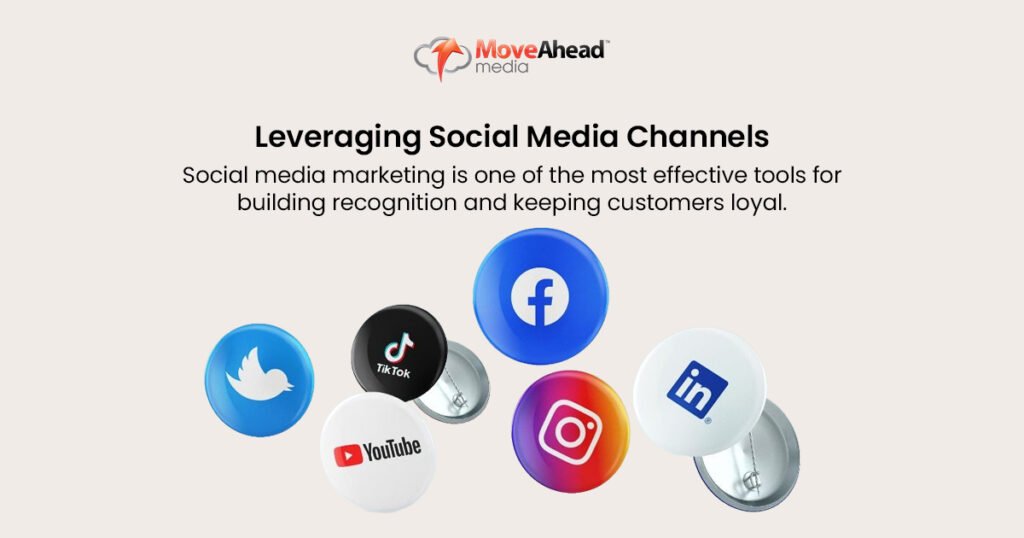
Social media marketing is one of the most effective tools for building recognition and keeping customers loyal.
Social media channels like Facebook, Instagram and TikTok let you showcase the experiences you offer visually. Through social media posts you can highlight guest stories, promotions or simply share the beauty of your surroundings.
But social media management is about more than just posting regularly – it’s about having a conversation. Respond to comments, re-share user generated content and keep the conversation real.A mix of educational, entertaining, and promotional social media posts keeps your hotel top of mind amongst current and prospective guests.
Creating a Content Calendar
A content calendar is the backbone of any solid content strategy. It keeps your team in sync, consistent, and on their toes.
Take a step back and map out your content across months, linking topics to upcoming events, holidays or busy booking periods. Make sure you include blogs, video clips, and newsletters – and give each one a clear purpose – what’s the story you’re trying to tell?
This planning method helps your marketing team stay on the same wavelength while churning out regular content across social media channels and your website.
A good calendar doesn’t just track posts – it makes sure your content is contributing to your overall marketing strategy and reflects your hotel brand‘s personality.
Measuring Success
A great plan is useless if you don’t keep track of its progress.
Use analytics tools to keep tabs on success across platforms. Take a look at metrics like:
- Website visits and average time spent browsing
- Social media engagement and reach
- Conversion rates and direct bookings
These numbers will tell you which marketing channels are doing the best for you. They’ll help you tweak your content plan and allocate resources more effectively.
Tracking performance will also show you which content ideas are really resonating with your specific audience – helping you plan smarter for the next quarter.

Marketing for Hotels
Marketing for hotels is all about telling a story that sparks emotions – and delivers results. It connects people to your brand.
Your content marketing strategy should be showcasing the experiences you offer – not just your rooms. Every piece of quality content should make guests feel like they’re getting to know you better.
A strong digital presence supported by SEO, social media, and email marketing brings in a constant flow of potential guests. Meanwhile, great content will build loyalty amongst hotel guests who’ve stayed with you before.
When hotels get their marketing efforts lined up with clear content goals, they start to move beyond ‘visibility’ – they build a community.
The Local Area
Travelers choose destinations just as much as they choose hotels – so it makes sense that the local area should be a big part of your content plan.
Write about local events, top restaurants or day-trip ideas. Share engaging content that promotes local businesses and shows guests what makes your location special.
Highlight hidden gems through video content or blog posts. This not only provides value but also builds your brand’s reputation as a local insider.
Partnering with local businesses will strengthen ties with the community while attracting guests who want authentic experiences.
Engagement and Interaction
Strong brands don’t just send out messages – they engage with people.
Engagement turns followers into advocates. Respond to comments, feature guest photos, and encourage guests to share their experiences with you.
Host Q&As, giveaways or virtual events that let your audience interact directly with your brand. These moments humanise your hotel and reinforce loyalty.
High engagement rates will also give you a boost on social media platforms, helping you reach a larger audience without having to spend extra on ads.
Customer Journey
Mapping the customer journey helps your team understand how travelers interact with your content from start to finish.
Early in the journey, guests are dreaming – so use inspiring visuals and storytelling. Closer to booking, they need facts – share pricing transparency, FAQs, and testimonials. After their stay, send follow-ups or email marketing campaigns to keep things going.
Each stage needs content that builds trust and makes guests feel comfortable. When your content aligns with guest intent, you’ll make booking decisions easier – and repeat visits more likely.

User-Generated Content
Real experiences talk louder than any commercials.
User-generated content – photos, videos or reviews from guests – is a powerful tool. It tells potential customers that your hotel delivers on its promises.
Encourage travelers to tag your hotel brand on social media platforms. Repost their stories or include them in your newsletters. This creates a sense of community while giving you authentic material to share.
UGC also increases reach without breaking the bank – making it one of the most cost-effective tools in any hotel content marketing plan.
Partnership and Collaboration
Partnerships open up new audiences and bring more value for guests.
Work with local businesses, influencers, and tourism boards to co-create engaging content. Joint promotions, giveaways or co-branded blogs will introduce your hotel to new people and strengthen your marketing channel mix.
These collaborations highlight your connection to the local area, showing travelers your commitment to community and authentic experiences.
Partnering with other businesses also helps marketing teams share resources and create more innovative content efficiently.
The Wrap-Up
Learning how to create a content plan for hotels is all about being strategic and creative at the same time.
A solid hotel content marketing strategy brings storytelling, analytics and guest insight together. It connects your target audience with your brand emotionally and practically – inspiring more bookings and long-term loyalty.When hotels put out consistent content on blogs, across their social media posts and in videos , they build trust that sticks long after a guest’s stay.
At the end of the day , great content marketing for hotels isn’t really about selling rooms . It’s about selling the amazing experiences , the emotions and the stories that our guests just can’t get enough of & can’t wait to go on & share with others.

FAQs
What’s the fastest way to spot wasted spend?
The fastest way to spot wasted spend is to focus on two key areas: your objectives and your audience.
First, ensure you have clear, measurable objectives. Without a benchmark for success, you can’t identify underperformance.
Second, regularly audit your audience to confirm you’re targeting the right people. Even the best ads can fail if they’re shown to the wrong audience.
What’s the best way to A/B-test creative while still keeping clean data?
The best way to keep data clean is to follow the one-variable rule. Only change a single element between your “A” and “B” versions.
This could be the headline, the image, or the call-to-action, but never all three at the same time. The goal is for you to attribute any performance difference directly to that specific change.
Many marketers make the mistake of stopping their A/B tests too early. By letting your test run long enough, you’ll be able to gather more reliable results with your ad analysis tool.
What metrics actually tell me if my campaign is working?
The ‘best’ metrics depend entirely on your campaign’s primary objective. The key is to align your metrics with your goal in the marketing funnel:
- For Awareness Campaigns, focus on Reach and Impressions to measure how many unique users are seeing your ad.
- For Engagement Campaigns, track Click-Through Rate (CTR) and Cost Per Click (CPC) to measure how effectively you’re driving interest.
- For Conversion Campaigns, focus on metrics that measure direct business results, such as Cost Per Acquisition (CPA) and Return on Ad Spend (ROAS).
Overall, prioritising metrics like ROAS over simple clicks is how you can gain a better understanding of your campaign’s success. It’s what allows you to move from generic to data-driven advertising campaigns.