
If you’re spending money on Google Ads and not entirely sure what you’re getting back for it, you’re not alone. We know countless Australian business owners who have told us about their monthly ad spend down to the dollar, but when we ask them about their Google Ads ROI in Australia, as opposed to their other lead generation sources, the answer gets a lot fuzzier. That gap between spending and knowing is exactly where budgets quietly get wasted. ROI isn’t a fancy marketing term reserved for big agencies with data teams. It’s a straightforward way of answering one question: for every dollar you put into Google Ads, how many dollars are you getting back?
The Truth About AdWords ROI Down Under
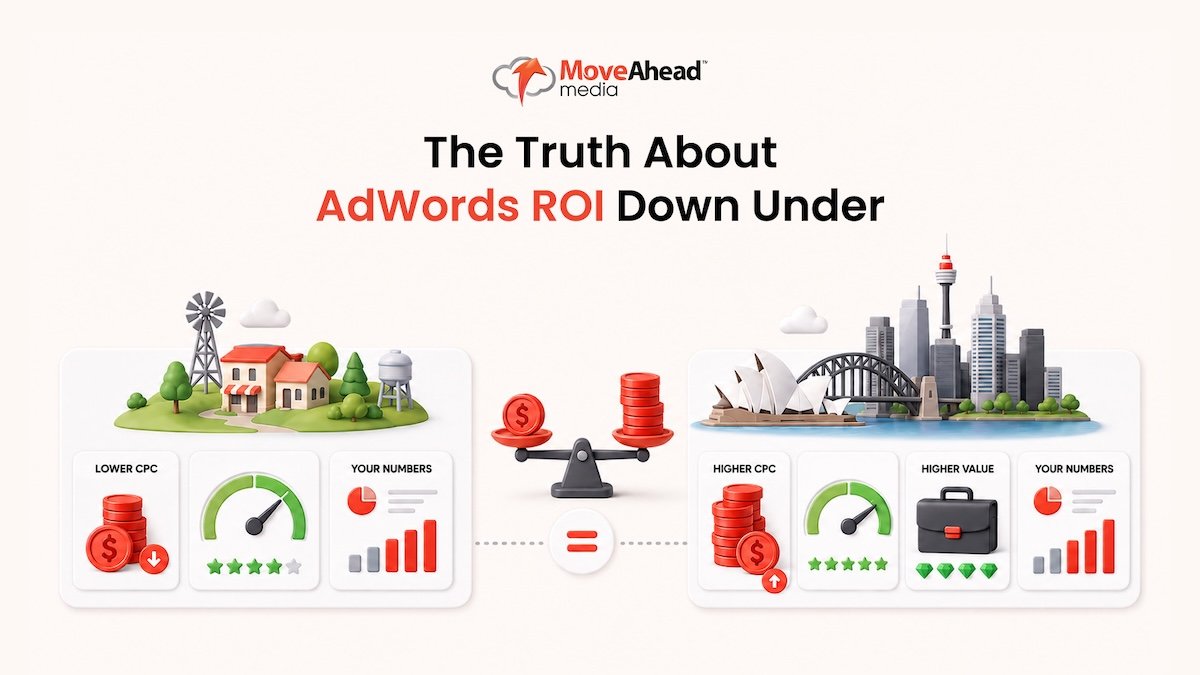
AdWords ROI for Australian businesses works the same way it does anywhere else in principle, but each local market can come with its own quirks. Cost per click tends to run higher in competitive cities like Sydney and Melbourne, particularly in industries like legal services, finance, and trading, where several businesses can all be bidding on the same batch of high-intent keywords. This means that the Google Ads return on investment Australian businesses see can look very different depending on where they’re based and what they sell. A manual worker looking for jobs in a regional town might get cheap clicks and strong conversion rates, while a Sydney-based law firm might pay ten times as much per click but still come out ahead, simply because a single client is worth so much more. It’s important to remind yourself not to compare yourself to every business running ads. Instead, you should take time to understand your own numbers so you can easily know whether the campaign is actually working.
Industry Benchmarks: What Should You Expect?
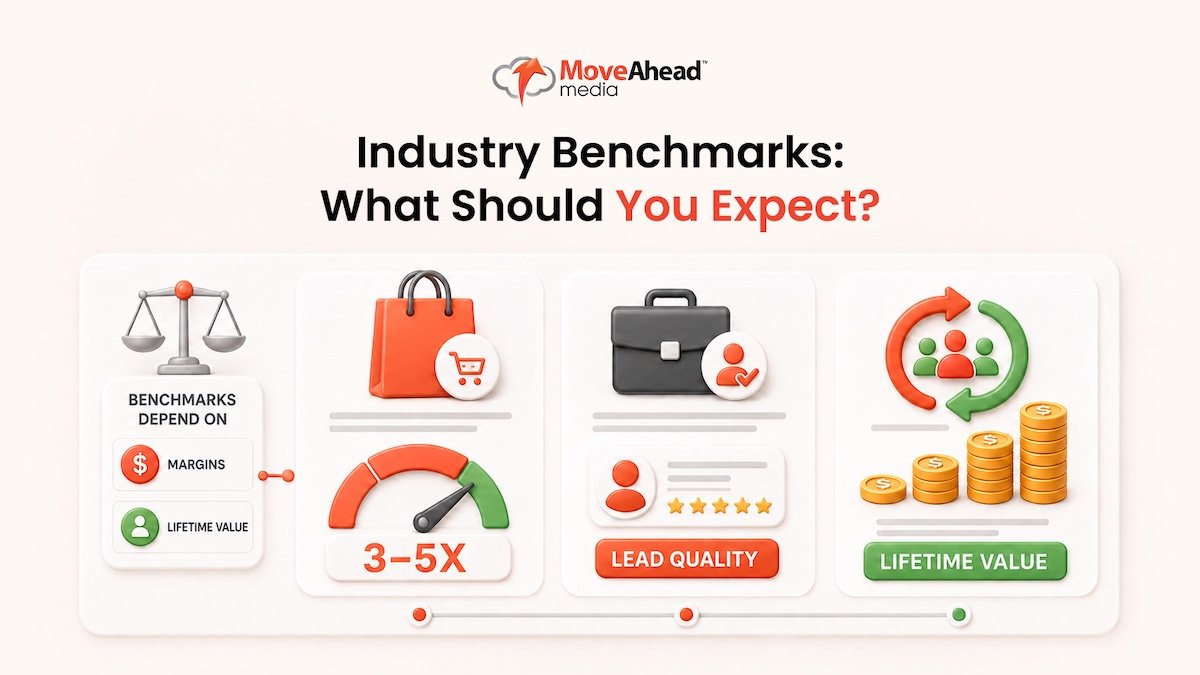
Google Ads benchmarks in Australia vary a lot by industry, so treating every campaign the same way is a mistake. E-commerce businesses often chase a return of three to five times their spend, while service-based businesses with higher customer lifetime value might be perfectly happy with a lower value, provided the leads coming through are genuinely good ones and have a higher likelihood of coming back again in the future. PPC campaign ROI in Australia should be relative to a business’s margins and the value of an average customer. A campaign that returns 150% might look underwhelming on paper, but if it’s bringing in high-value clients who stick around for years, that number tells a very different story once you factor in lifetime value rather than a single transaction. The mistake many businesses make is fixating on an arbitrary number they’ve read somewhere online, rather than working out what a good return actually looks like for their own business and its marketing needs.
Why Your Google Ads Might Be Bleeding Cash (And How to Fix It)
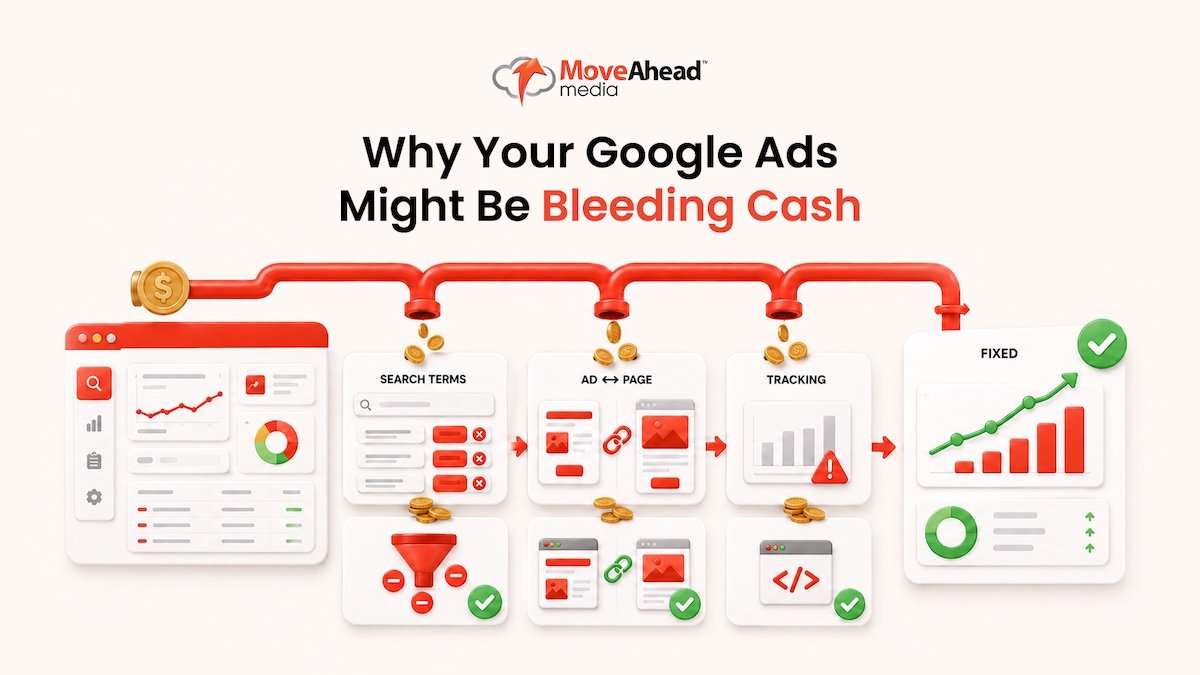
If you’re looking at reducing wasted ad spend on Google Ads campaigns that aren’t performing, you’re already doing better than most business owners. Wasted spend usually comes down to a handful of common culprits, including broad match keywords pulling in irrelevant searches, ad copy that doesn’t match what the landing page actually delivers, or tracking that isn’t set up correctly in the first place. Knowing where your budget is being wasted and taking steps to reduce this is an important first step when looking to turn things around. That last culprit, tracking, catches out more businesses than you’d think. If your conversion tracking is broken or incomplete, you could be making decisions based on numbers that don’t reflect reality at all. Before assuming a campaign isn’t working, it’s worth confirming whether the data behind it can even be trusted. Knowing how to improve Google Ads ROI often starts with tightening things up rather than spending more. Reviewing search term reports regularly, adding negative keywords, and pausing anything that’s clearly underperforming can make a noticeable difference without touching the budget at all. If your account hasn’t had a proper review in a while, our Google Ads agency Australia team can help pinpoint exactly where the leaks are.
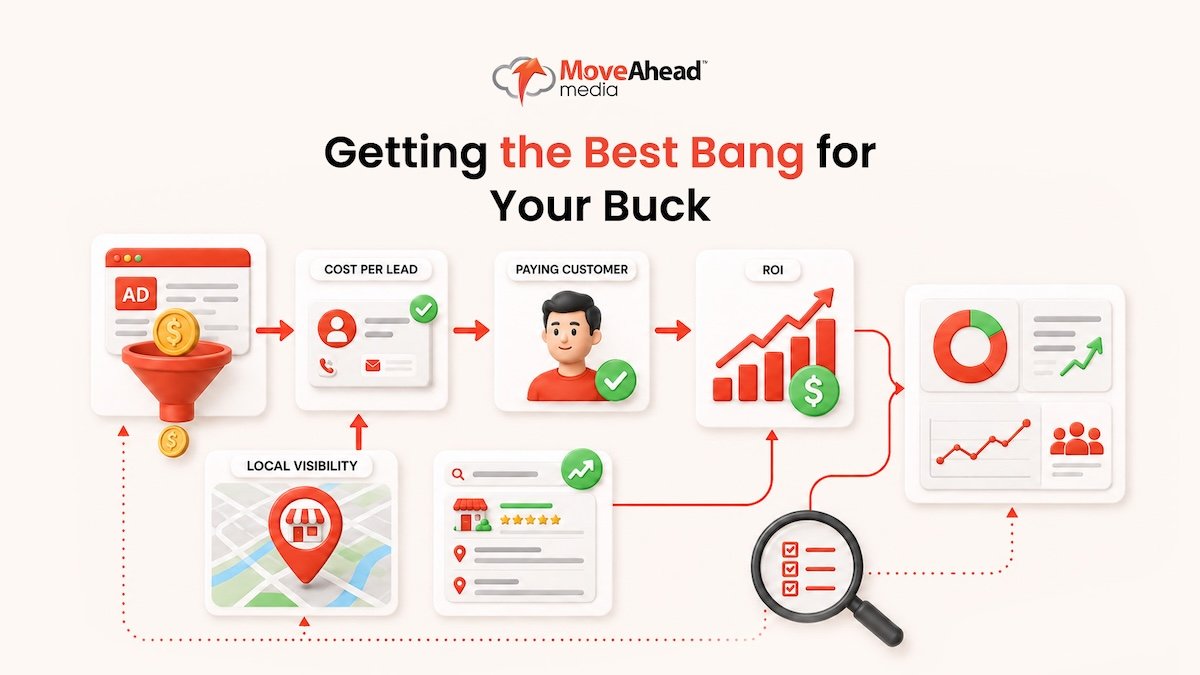
Getting the Best Bang for Your Buck
Once the obvious waste is dealt with, the next step is looking at your Google Ads cost per lead Australia figure and working out whether it’s sustainable for your business. A low cost per lead means nothing if those leads rarely convert into paying customers, so it’s worth tracking the full journey rather than stopping at the click. Pairing paid campaigns with organic visibility can also make a real difference over time. A solid Local SEO integration strategy helps reduce reliance on paid clicks for the searches that matter most, particularly for businesses serving specific suburbs or regions. Getting the most from Google Ads isn’t about throwing more money at the problem. It’s about understanding where your budget is actually going, cutting what isn’t working, and doubling down on what is. Not sure about your Google Ads ROI in Australia? Get a free ads audit, and we’ll show where your money is going.